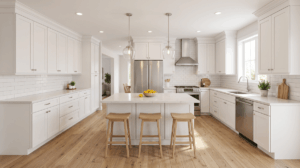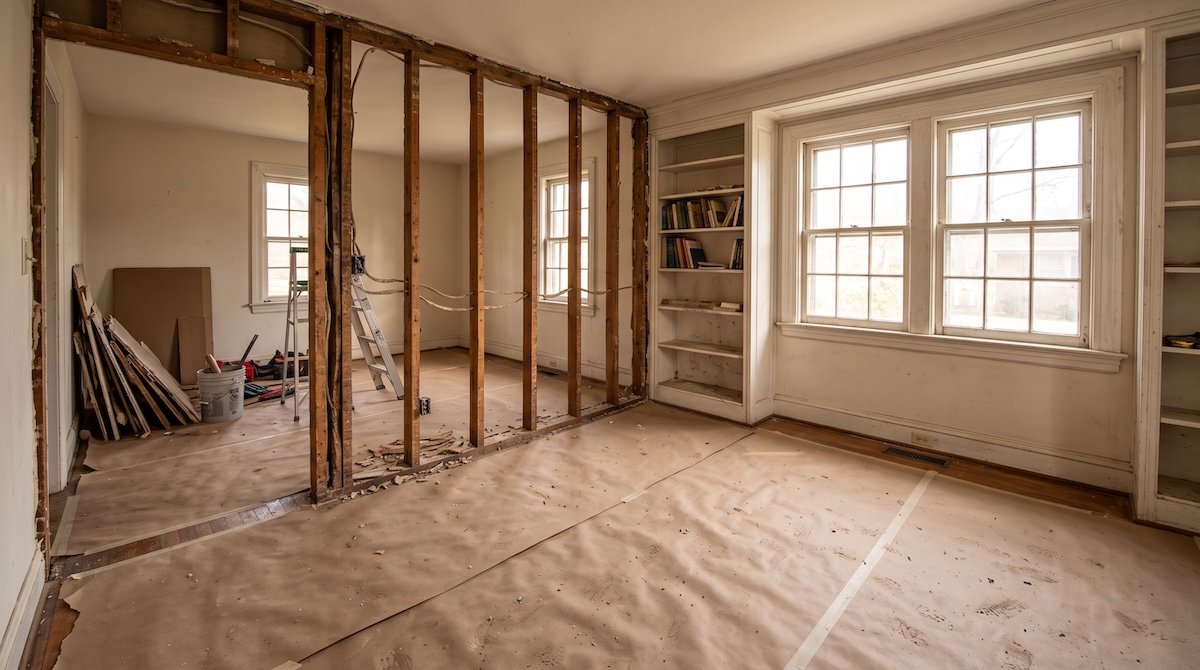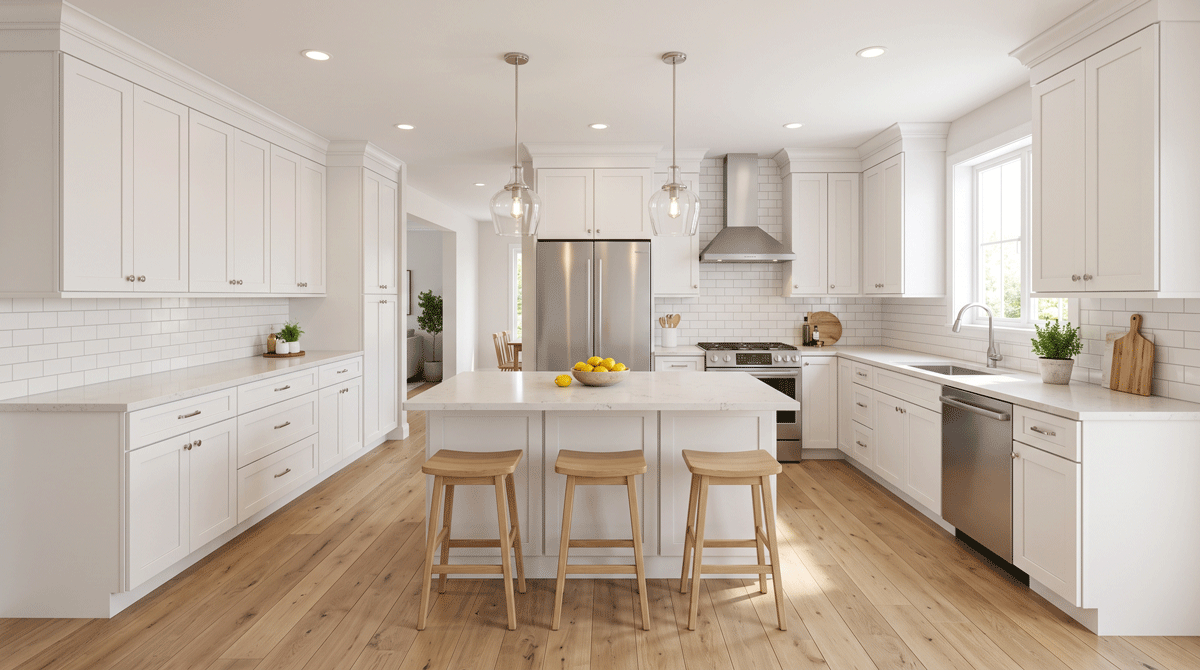


Older homes can offer mature neighborhoods, established character, and layouts worth preserving, but renovation work may reveal conditions that are not visible during a normal walkthrough. The best way to manage that uncertainty is not to fear it; it is to plan for investigation, priorities, and a realistic contingency.
Your Dream Home Improvements works on renovations across Fayetteville and surrounding counties, and the company is listed by North Carolina as a certified Lead RRP firm. That matters when work disturbs painted surfaces in qualifying older homes.
Expect the Unexpected Behind Walls
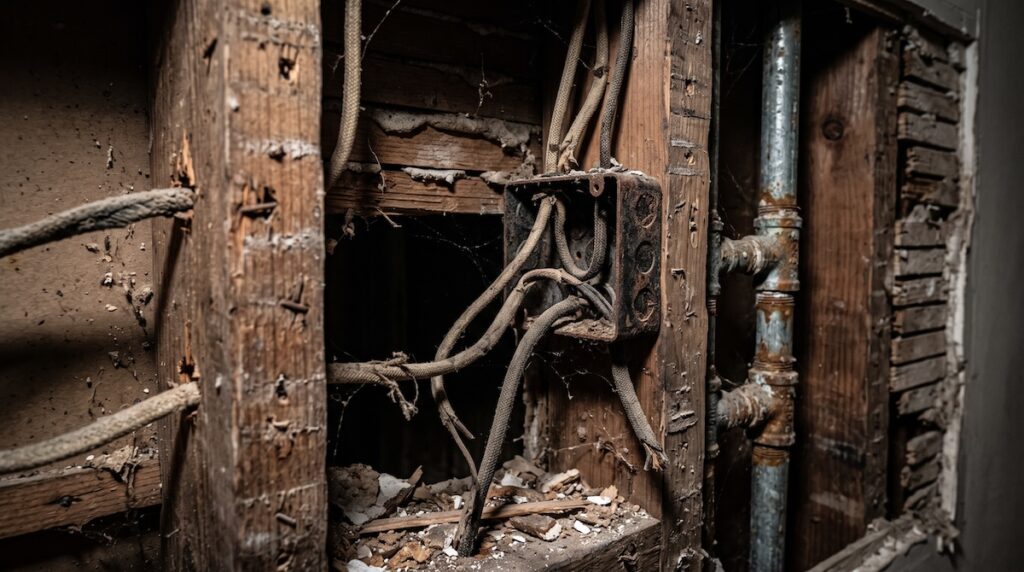
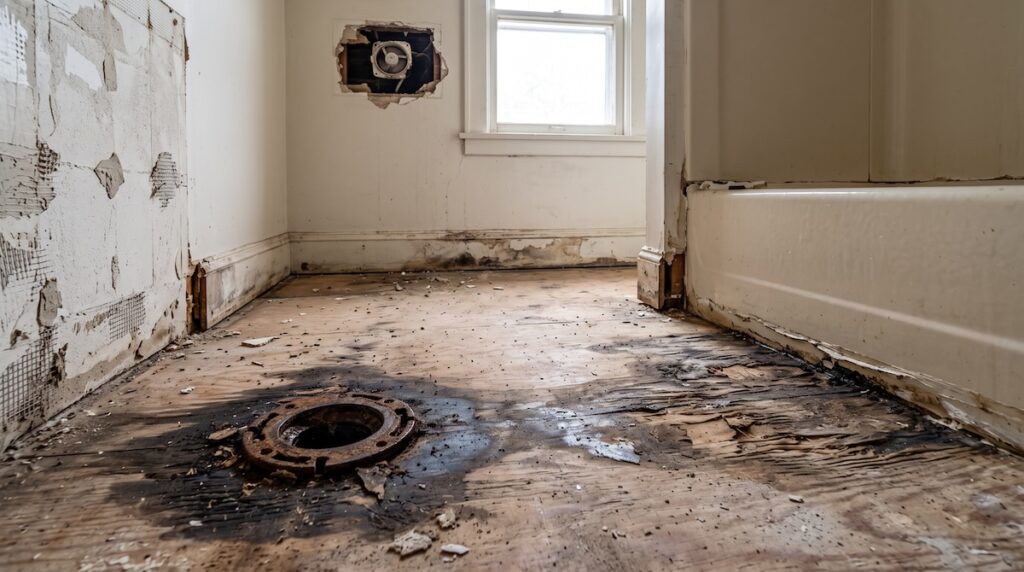
Once drywall, cabinets, flooring, or old fixtures are removed, contractors may discover previous repairs, outdated wiring, plumbing modifications, water damage, framing changes, or materials that no longer meet current expectations. Some discoveries are minor. Others can affect the safest way to complete the new work.
A detailed pre-construction plan should identify what can be inspected in advance and which conditions can only be confirmed after demolition. Homeowners should understand how unforeseen work will be documented, priced, and approved.
Review Electrical and Plumbing Capacity
Modern kitchens and bathrooms often use more electrical capacity than older layouts were designed to support. New appliances, lighting, heated floors, ventilation, and specialty fixtures can require circuit changes. Plumbing lines, shutoffs, drains, and venting may also need updates when fixtures move or walls are opened.
These systems should be considered while the design is being developed, not after finishes are selected. Learn more about full home renovations and additions.
Look for Moisture and Ventilation Problems
North Carolina humidity makes moisture management important. Bathrooms need effective exhaust ventilation, exterior assemblies need proper water control, and past leaks should be corrected before new finishes cover the area. Our post on how Fayetteville’s climate affects a bathroom remodel explains why ventilation matters here. Stains, soft subfloors, musty odors, or deteriorated trim can be clues that deserve investigation.
Renovation is an opportunity to address the cause rather than simply improve the appearance. New tile, paint, or flooring will not solve an active moisture problem underneath.
Plan for Flooring and Structural Transitions
Older homes may have uneven subfloors, multiple layers of flooring, patched framing, or room additions built at different times. These conditions can complicate a continuous new floor or an open-concept layout. Removing a wall can also expose height differences or structural requirements that were hidden before demolition.
A good design accounts for transitions and provides a path for correcting substrate issues so the finished floor performs well and looks intentional.
Protect the Character While Improving Performance
Not every old feature needs to disappear. Trim proportions, original layouts, built-ins, masonry, or other details may give the home its identity. The goal can be to preserve what adds value while upgrading the systems, storage, lighting, comfort, and finishes that affect everyday life.
With design, investigation, and clear communication, an older-home renovation can respect the house’s character while making it work better for modern living. Because approvals vary by project, our home renovation permit guide is a helpful reference. The key is leaving room in the plan for what the home may reveal once construction begins. Contact our team to plan your older-home renovation.
Frequently Asked Questions
What hidden problems are common when renovating an older home?
Once walls, cabinets, or flooring come out, crews often find outdated wiring, modified plumbing, water damage, framing changes, or earlier repairs that no longer meet current expectations. Older homes may also have lead-based paint. None of this means an older home is a bad project. It means the plan should budget time and money for investigation and the unexpected.
Do older homes need electrical or plumbing upgrades for a remodel?
Frequently, yes. Modern kitchens and bathrooms draw more power than older layouts were designed for, so new appliances, lighting, heated floors, or ventilation can require circuit changes. Plumbing lines, shutoffs, drains, and venting may also need updating when fixtures move or walls open. These systems should be evaluated during design, not after finishes are chosen.
What is Lead RRP and does my older home need it?
Lead RRP (Renovation, Repair and Painting) refers to EPA-regulated safe work practices for disturbing lead-based paint, which is common in homes built before 1978. Your Dream Home Improvements is listed by North Carolina as a certified Lead RRP firm, which matters whenever qualifying older painted surfaces are disturbed during a renovation.
How much contingency should I budget for an older-home renovation?
Because some conditions can only be confirmed after demolition, it is wise to set aside a contingency beyond the base scope rather than budgeting to the dollar. A good planning process makes that allowance visible and explains how any unforeseen work will be documented, priced, and approved, so surprises become manageable decisions instead of emergencies.

Related reading

Aging in Place Remodeling: Designing a Home for Long-Term Comfort
Explore aging-in-place remodeling ideas for safer bathrooms, easier movement, better lighting, and long-term comfort in Fayetteville-area homes.
Read more →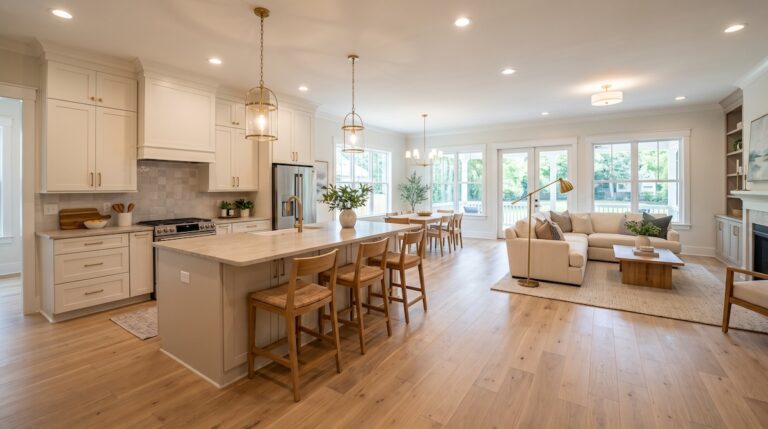
Open-Concept Renovations: How to Improve Flow Without Losing Function
Open-concept living can make a home feel brighter, larger, and more social, but removing walls is not automatically an upgrade. The best…
Read more →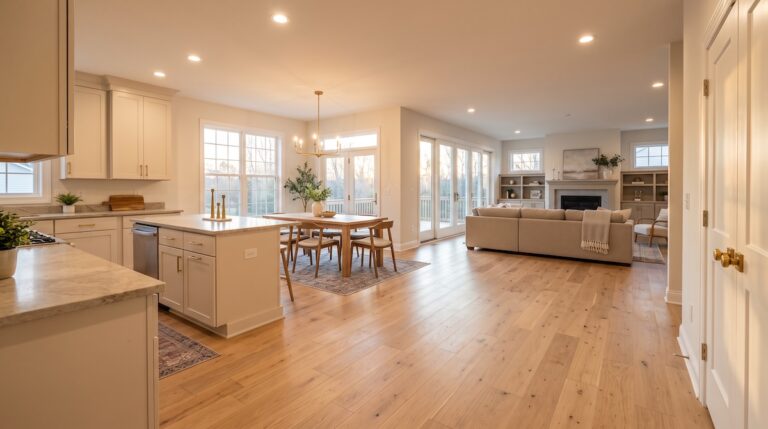
Whole-Home Renovation Planning: Where Fayetteville Homeowners Should Start
Plan a whole-home renovation in Fayetteville, NC with practical guidance on scope, design, budget, sequencing, and contractor coordination.
Read more →