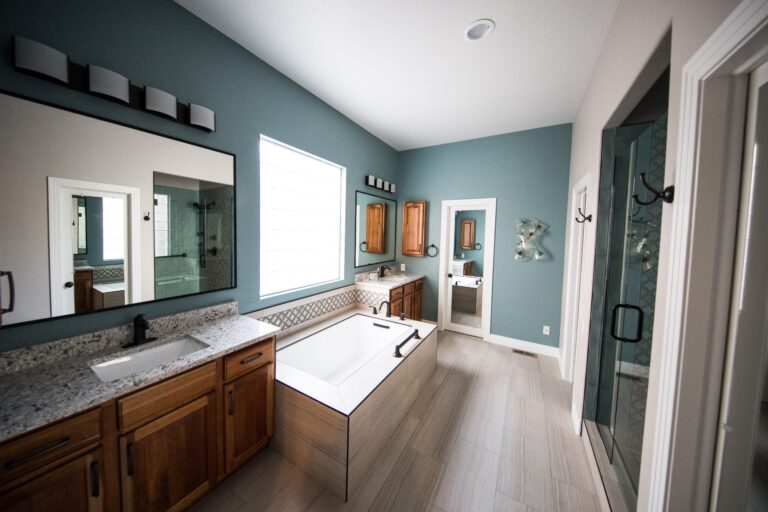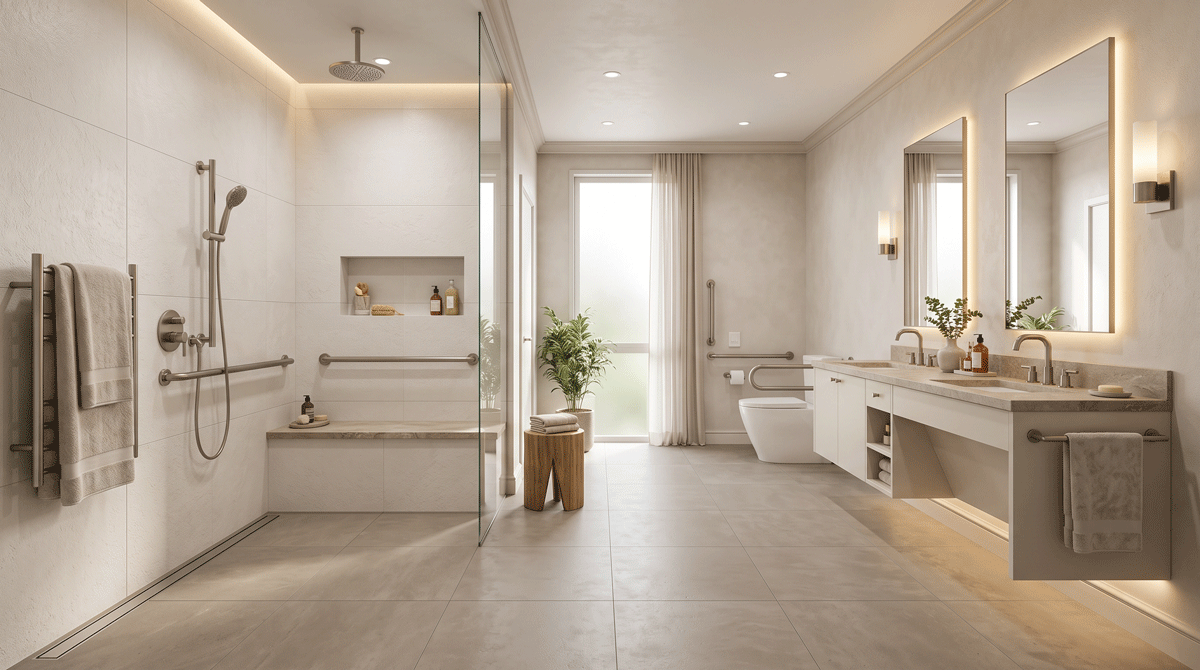


Planning a bathroom remodel during a Fayetteville summer means working with 90-degree heat and sticky humidity that hovers between 70 and 80 percent. Many homeowners worry the climate will slow their project or cause material failures. The truth is different. When you understand how summer conditions affect drying times, ventilation needs, and material performance, you can plan a bathroom remodeling Fayetteville project that actually benefits from the season. The key is choosing the right materials, scheduling tasks in the right order, and controlling indoor air quality while your HVAC works overtime.
Why Fayetteville's Summer Climate Matters During a Bathroom Remodel
Fayetteville sits in the humid subtropical zone. July through September brings daily highs in the low 90s, afternoon thunderstorms, and relative humidity that rarely drops below 70 percent. That moisture hangs in the air even when your AC is running. During demolition and construction, you're opening walls, exposing framing, and bringing in wet materials like mortar, grout, and paint. Each one needs time to cure properly.
Humidity Slows Drying Times for Tile and Grout
Thinset mortar and grout both rely on evaporation to harden. In a dry climate, grout might cure in 24 hours. In Fayetteville's summer air, you're looking at 48 to 72 hours before it's safe to seal or expose to water. If you rush the timeline, you risk soft grout lines, cracked tiles, and moisture trapped behind your new shower surround.
Paint and Caulk Take Longer to Cure
Latex paint dries to the touch quickly, but full cure takes days. High humidity extends that window. If you apply a second coat too soon or turn on the shower before the paint has fully cured, you'll see blistering, peeling, or mildew within weeks. The same goes for caulk around your tub and vanity. Silicone needs low humidity to skin over and bond properly.
HVAC Load Increases During Demo and Dust Control
When you tear out tile, drywall, and fixtures, dust spreads fast. You'll need to seal off the bathroom with plastic sheeting and run exhaust fans or air scrubbers to keep particulates out of the rest of your home. That means your air conditioner is working against both the outdoor heat and the disrupted airflow inside. Expect your utility bill to spike during the construction phase.
How to Plan Your Bathroom Remodel Timing Around Summer Humidity
Summer isn't a bad time for a bathroom renovation. It's actually one of the better windows if you plan correctly. School is out, families take vacations, and you have flexibility to stay elsewhere for a few days if needed. The trick is scheduling tasks in the right order and building in buffer days for drying.
Schedule Demolition Early in the Week
Demo creates the most dust and disruption. Plan it for Monday or Tuesday so you have the rest of the week to haul debris, inspect framing, and let any exposed wood acclimate before you close walls back up. If your contractor finds mold or water damage during demo (common in older Fayetteville homes), you'll have time to remediate before the weekend.
Allow Extra Days for Mortar and Grout to Cure
Add 24 to 48 hours beyond the manufacturer's recommended cure time. Use a dehumidifier in the bathroom and an exhaust fan vented to the outside. Your contractor should test moisture levels with a meter before moving to the next step. This is especially important for walk-in showers and steam showers, where water exposure starts immediately.
Plan Finish Work for Late in the Project
Paint, caulk, and trim should happen after tile is fully cured and the space has been cleaned. That gives you the best chance of a smooth finish without trapped moisture or adhesion failures. If you're installing a vanity with a stone countertop, schedule the template and install for the final week so the cabinet has time to acclimate to the room's humidity.
Use the Heat to Your Advantage
Warm air actually helps some materials cure faster, as long as humidity is controlled. Epoxy grout, acrylic adhesives, and spray foam insulation all perform well in heat. Your contractor can run a portable dehumidifier and a box fan to keep air moving and moisture levels in check.
Material Choices That Perform Best in Fayetteville's Humid Climate
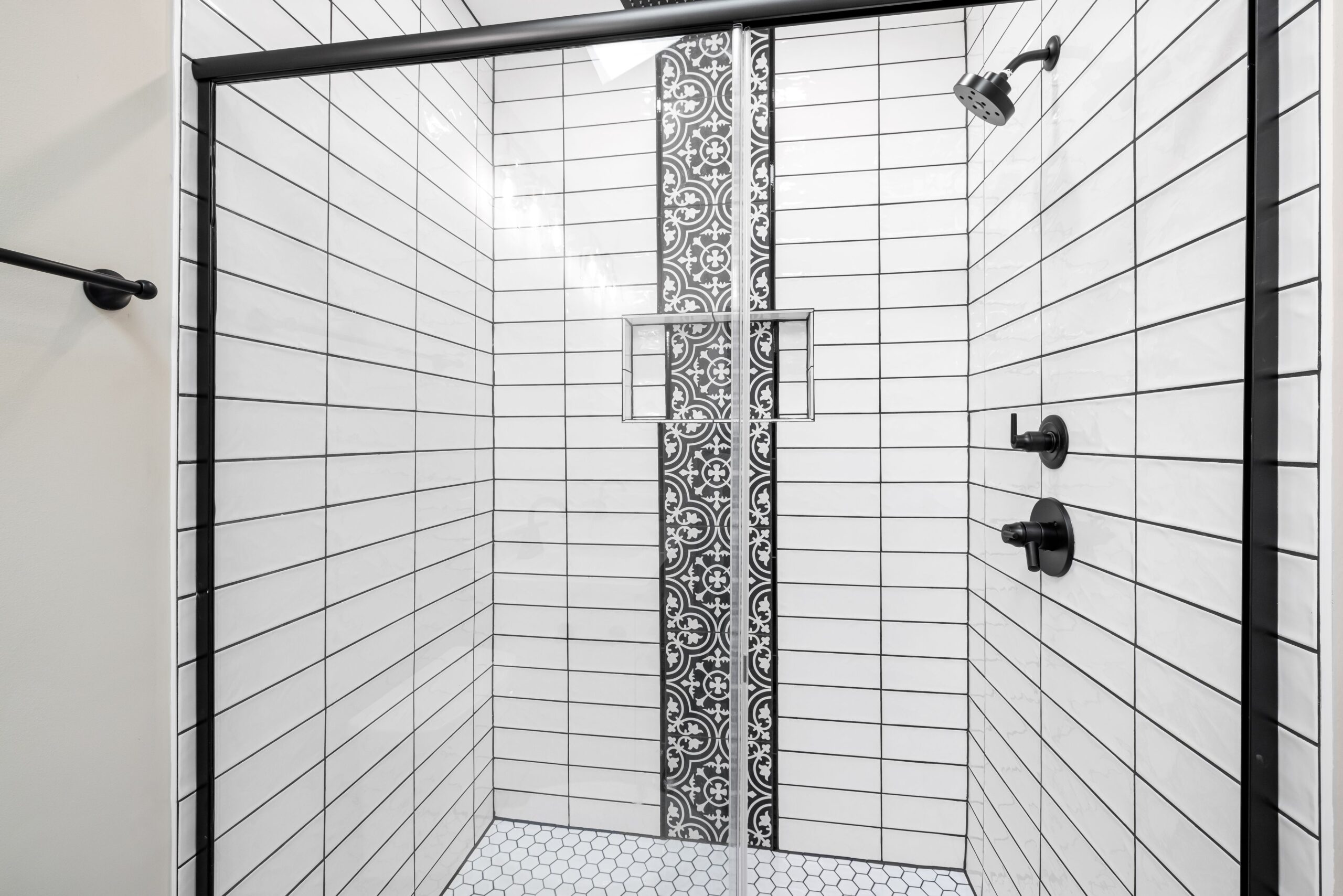
Not all bathroom materials handle moisture the same way. Fayetteville's year-round humidity (not just summer) means your finishes will face condensation, steam, and temperature swings long after the remodel is done. Choose materials that resist mold, won't warp, and dry quickly after exposure.
Porcelain Tile Over Ceramic for Floors and Walls
Porcelain is denser and less porous than ceramic. It absorbs less than 0.5 percent of its weight in water, which makes it ideal for shower walls, floors, and tub surrounds. Ceramic is fine for low-splash areas like accent walls, but porcelain is the safer bet in a high-humidity climate. Both need to be installed over a waterproof membrane like Schluter or RedGard.
Quartz Countertops for Vanities
Natural stone like marble and granite can stain and etch if not sealed regularly. Quartz is engineered, non-porous, and requires no sealing. Cambria and Silestone both perform well in humid bathrooms. If you prefer natural stone, plan to reseal it every 12 months.
Mold-Resistant Drywall and Backer Board
Purple board (mold-resistant drywall) should be used on all bathroom walls that aren't in the wet zone. For shower surrounds, use cement backer board like Durock or HardieBacker. Never use green board (moisture-resistant drywall) in a shower. It's not waterproof and will fail within a few years in Fayetteville's climate.
Kohler and Moen Fixtures Built for Humidity
Stainless steel, brass, and chrome-plated brass all hold up well. Avoid oil-rubbed bronze finishes unless you're prepared to wax them regularly. Moisture and skin oils cause spotting and corrosion over time. Kohler and Moen both offer finishes with protective coatings designed for high-humidity environments. We install both brands regularly and warranty the hardware for the long term.
Exhaust Fans Rated for Continuous Use
Your bathroom needs an exhaust fan rated for the square footage and ducted to the outside (not into the attic). Look for a fan with a built-in humidistat that kicks on automatically when moisture levels rise. Panasonic WhisperCeiling and Broan models are both quiet and effective. Run the fan during showers and for 20 minutes after.
Managing Indoor Air Quality and HVAC Load During Construction
A bathroom remodel disrupts your home's airflow. Dust, VOCs from adhesives and paint, and humidity from wet materials all affect indoor air quality. If you have family members with allergies or asthma, plan ahead.
Seal the Work Area with Plastic and Zipper Doors
Your contractor should hang 6-mil plastic sheeting around the bathroom entry and create a zipper door for access. Tape all seams and floor edges. This keeps dust and odors contained. Pair it with a negative air machine or box fan vented out a window to pull air out of the bathroom and prevent it from migrating into bedrooms and living areas.
Run an HEPA Air Scrubber During Demo and Sanding
A portable HEPA unit pulls particulates out of the air before they settle on furniture and HVAC registers. Place it in the hallway just outside the bathroom. Change the filter halfway through the project.
Schedule HVAC Filter Changes
Even with containment, fine dust will reach your return vents. Plan to change your HVAC filter once during the project and again one week after completion. Use an MERV 11 or higher filter during construction to catch smaller particles.
Ventilate with Fresh Air When Possible
Open windows in the bathroom and nearby rooms during the day if weather permits. Cross-ventilation helps dry materials faster and dilutes VOCs. Close windows at night or during thunderstorms to prevent moisture intrusion.
Expect Higher Cooling Costs
Your AC will run more often. Containment barriers reduce airflow, and open windows let in hot air. A modest increase in utility costs is normal during active construction. It's a small trade-off for a controlled indoor environment.
Why Summer Is Actually a Good Time for Bathroom Remodeling in Fayetteville
Many homeowners assume winter or spring are better seasons for remodeling. In Fayetteville, summer offers real advantages.
Kids Are Out of School
If you have children, summer means fewer morning routines disrupted by a torn-up bathroom. You can use a neighbor's shower, set up a temporary bathroom in the laundry room, or stay with family for a few days without missing school pickup.
Longer Daylight Hours
Contractors can start earlier and work later without burning daylight. That means faster progress and fewer delays waiting for natural light during finish work.
Material Availability Is Better
Spring is peak remodeling season. By July, supply chains have caught up and lead times for tile, vanities, and fixtures are shorter. You'll have more options in stock and fewer backorders.
You Can Plan Around Vacation
If you're taking a week off in late July or early August, schedule the noisiest and dustiest phases while you're gone. Come home to a bathroom that's nearly finished.
Outdoor Access Is Easy
Contractors need to haul debris, unload materials, and vent dust outside. Summer weather makes that straightforward. No snow, ice, or frozen ground to navigate.
We've completed dozens of summer bathroom remodels across Fayetteville, Hope Mills, and Raeford. The climate is predictable. When you plan for humidity and control airflow, the season works in your favor.
Common Mistakes Fayetteville Homeowners Make During Summer Remodels
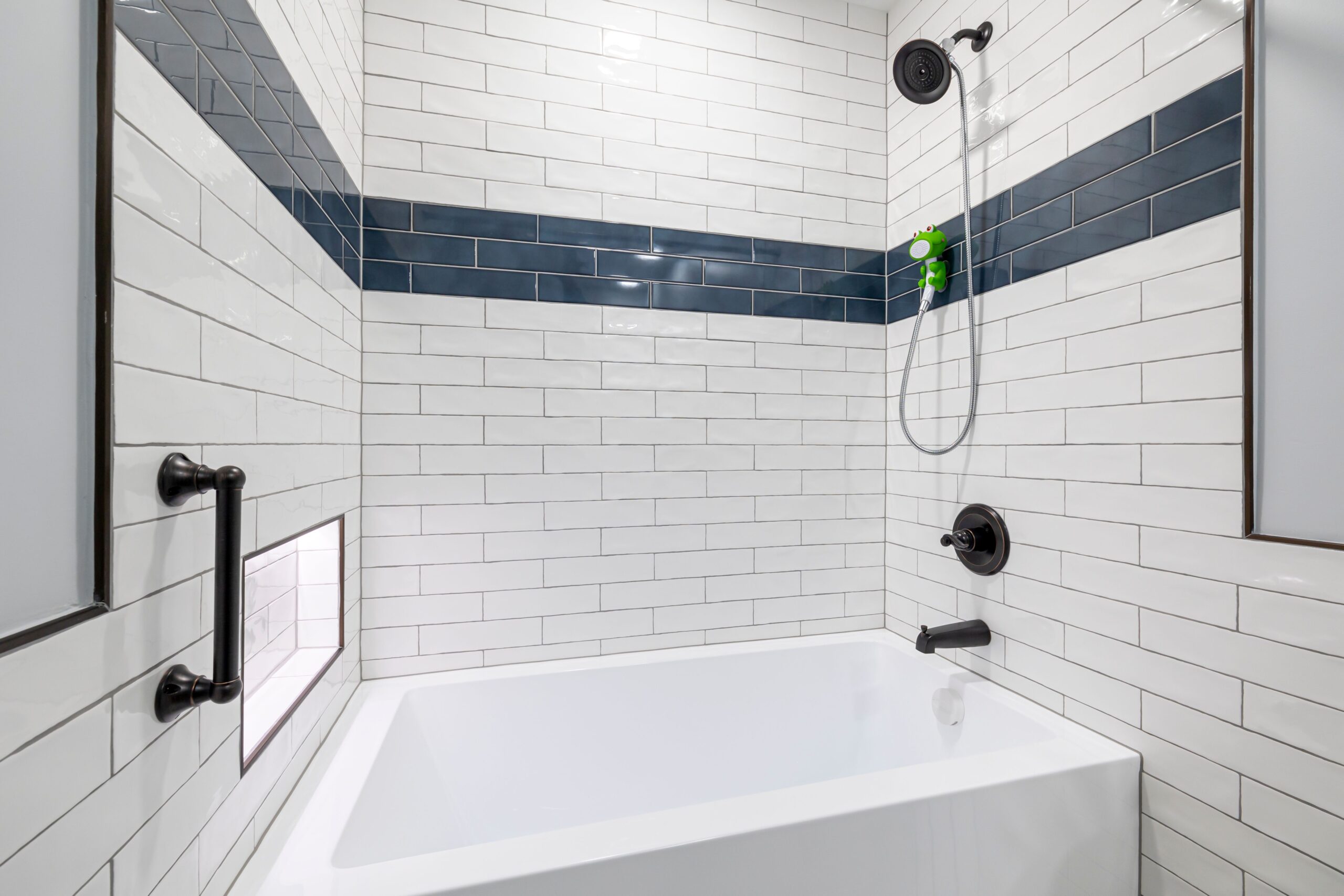
Even experienced DIYers and first-time remodelers run into the same pitfalls when they don't account for local climate.
Skipping the Dehumidifier
You can't rely on your AC alone to pull moisture out of a bathroom during construction. A portable dehumidifier with a drain hose makes a measurable difference in cure times and prevents mold growth in framing.
Choosing the Wrong Paint Sheen
Flat and matte paints trap moisture and stain easily. Use satin or semi-gloss in bathrooms. Both are scrubbable and resist mildew better in humid environments.
Rushing the Grout Cure Before Sealing
Grout sealer only works if the grout is fully cured. If you seal too early, you trap moisture inside and create a breeding ground for mold. Wait 72 hours minimum in summer humidity, then test with a moisture meter before sealing.
Not Venting Exhaust Fans to the Outside
Some older homes have exhaust fans that dump into the attic. That's a recipe for mold, rot, and roof damage. Always duct your fan through the roof or an exterior wall. The International Building Codes — ICC in North Carolina requires it for new installations.
Ignoring Subfloor Moisture After Demo
If your old bathroom had a leak or poor ventilation, the subfloor may have elevated moisture content even after demo. Let it dry out completely before installing new flooring. Use a moisture meter to confirm levels are below 12 percent.
How Your Dream Home Improvements Plans for Fayetteville's Climate
We've been remodeling bathrooms in Fayetteville and Cumberland County for over 13 years. Every project includes climate-specific planning from day one.
3D Renderings Before Construction Starts
You'll see your new bathroom in 3D renderings and 365-degree panoramic views before we order a single tile. That includes material choices, fixture placement, and lighting. You'll know exactly how your space will look and function, and we'll confirm every finish is humidity-appropriate for Fayetteville.
Built-In Drying Time in Our Schedules
We don't schedule tile grouting and countertop installation back-to-back. Our project timelines include buffer days for curing, moisture testing, and quality checks. You won't feel rushed, and your finishes will last.
Organized Job Sites with Daily Cleanup
We protect your floors, seal off work areas, and vacuum daily. Dust control isn't optional. Our crews run HEPA filtration and keep your HVAC registers covered during demo and sanding.
Client Portal for Real-Time Updates
You'll have access to a client portal with photos, schedules, and milestone updates. If weather delays a material delivery or we find an issue during framing, you'll know immediately. No surprises.
Flexible Financing Options
Summer remodels don't have to wait for a windfall. We offer financing options that let you spread payments over time while you enjoy your new bathroom now.
What to Expect During Each Phase of a Summer Bathroom Remodel
Here's how a typical 3- to 5-week bathroom renovation unfolds during Fayetteville's summer.
Week 1: Demo and Framing Inspection
We remove fixtures, tile, drywall, and flooring. If we find mold, rot, or outdated plumbing, we document it with photos and give you a written change order before proceeding. Subfloor and framing dry out over the weekend.
Week 2: Plumbing, Electrical, and Waterproofing
Rough plumbing and electrical go in. We install backer board, waterproof membranes, and any necessary blocking for grab bars or wall-mounted fixtures. Inspections happen mid-week.
Week 3: Tile Installation and Curing
Floor and wall tile go up. We use a dehumidifier and exhaust fan to manage humidity. Grout happens 24 to 48 hours after tile, then we wait another 72 hours before sealing. This is the longest phase because rushing here causes failures later.
Week 4: Vanity, Fixtures, and Paint
Your vanity, countertop, mirrors, and fixtures are installed. We paint walls and ceilings with mold-resistant primer and satin-finish topcoat. Caulk goes in last, after everything else is dry.
Week 5: Final Walkthrough and Punch List
We clean, test all fixtures, seal grout, and walk you through care and maintenance. You'll get warranty documentation and our contact info for any questions.
Timelines vary based on scope. A full primary bath with a custom shower takes closer to 5 weeks. A powder room refresh might finish in 3.
Frequently Asked Questions
How long will my bathroom remodel take during Fayetteville's summer?
Most bathroom remodels run 3 to 5 weeks. Summer humidity adds 24 to 48 hours to drying phases for tile, grout, and paint, but the season's longer daylight hours and better material availability often balance that out. We'll give you a specific timeline after the design consultation based on your scope and finish selections.
Will I be able to use my bathroom during the remodel?
No. The bathroom will be out of commission from demo through final inspection. For single-bathroom homes, we recommend setting up a temporary solution (portable toilet and shower access at a gym or neighbor's home). Most families find it manageable for 3 to 5 weeks. We work efficiently to minimize disruption.
What happens if we find water damage or mold during demo?
We document it immediately with photos and moisture readings. You'll get a written scope of work and cost estimate for remediation before we proceed. In Fayetteville's humid climate, it's common to find mold on drywall or subfloor near old tubs and showers. Addressing it properly ensures your new bathroom lasts decades.
Should I upgrade my exhaust fan during the remodel?
Yes. If your current fan is builder-grade or more than 10 years old, replace it. A properly sized, quiet exhaust fan with a humidistat is one of the best investments you can make in a humid climate. It prevents mold, protects your new finishes, and improves air quality. We include exhaust fan upgrades in most bathroom projects.
Fayetteville's summer heat and humidity don't have to derail your bathroom remodel. When you choose the right materials, schedule tasks in the correct order, and work with a contractor who understands the local climate, you'll end up with a bathroom that looks beautiful and performs flawlessly for years. We've remodeled hundreds of bathrooms across Cumberland, Robeson, and Harnett counties, and we build every one to handle the moisture and temperature swings that come with living in eastern North Carolina.
Schedule a design consultation with Your Dream Home Improvements, LLC to plan your climate-smart bathroom remodel. You'll see 3D renderings, get a detailed timeline, and walk away confident your project is designed for Fayetteville's real-world conditions.