

Remodeling before a future sale is different from remodeling only for personal taste. The smartest projects improve the way a home functions, correct visible wear, and create a cohesive look without spending heavily on features that a future buyer may not value.
For Fayetteville homeowners, the best resale-focused plan often starts with the spaces buyers notice and use most: kitchens, bathrooms, flooring, storage, curb appeal, and the overall condition of the home.
Prioritize Function Before Luxury
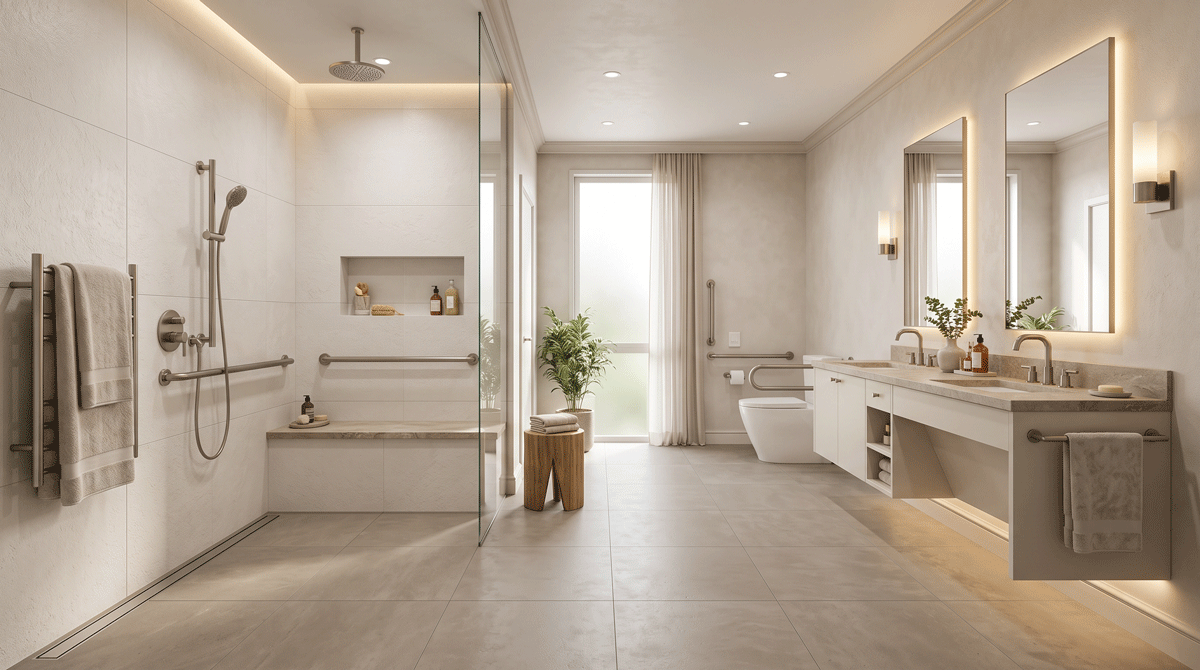
A beautiful finish cannot fix an awkward layout. Before selecting premium materials, look for practical problems such as limited kitchen storage, poor lighting, damaged flooring, tight circulation, or a bathroom that feels difficult to use. Improvements that make daily routines easier tend to have broader appeal than highly personalized upgrades.
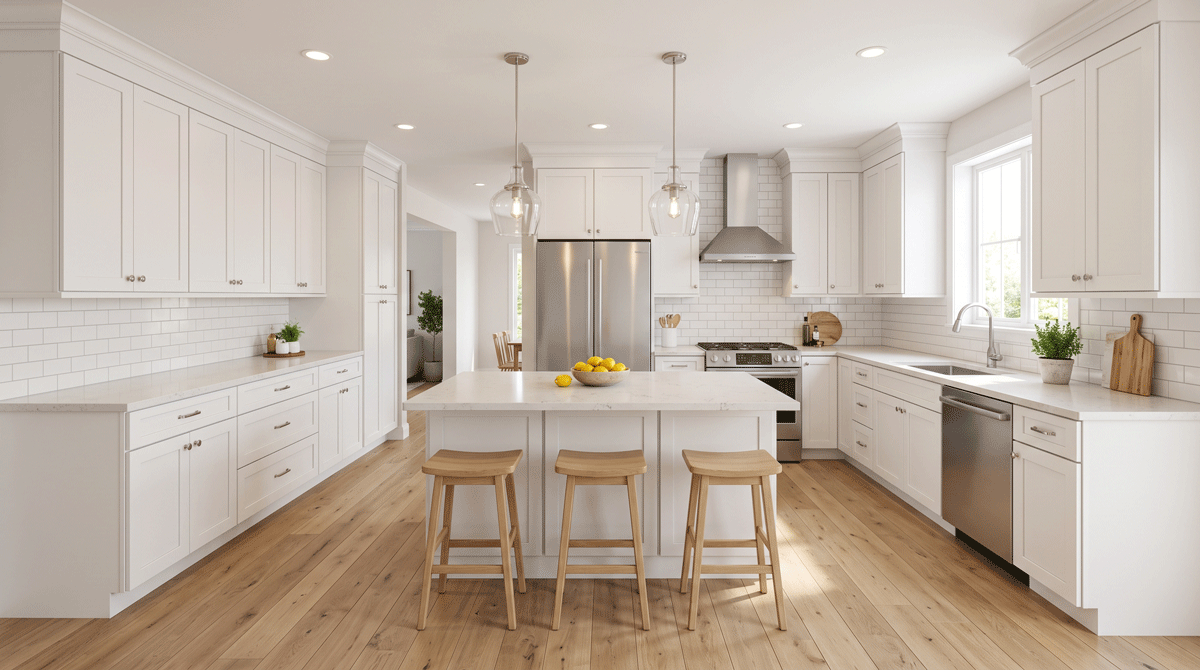
In the kitchen, that could mean better cabinet organization, durable counters, improved task lighting, and a layout that supports cooking and conversation. Explore kitchen remodeling options, and use our guide to what drives kitchen remodeling costs to decide where spending has the most impact.
Choose Finishes With Broad, Lasting Appeal
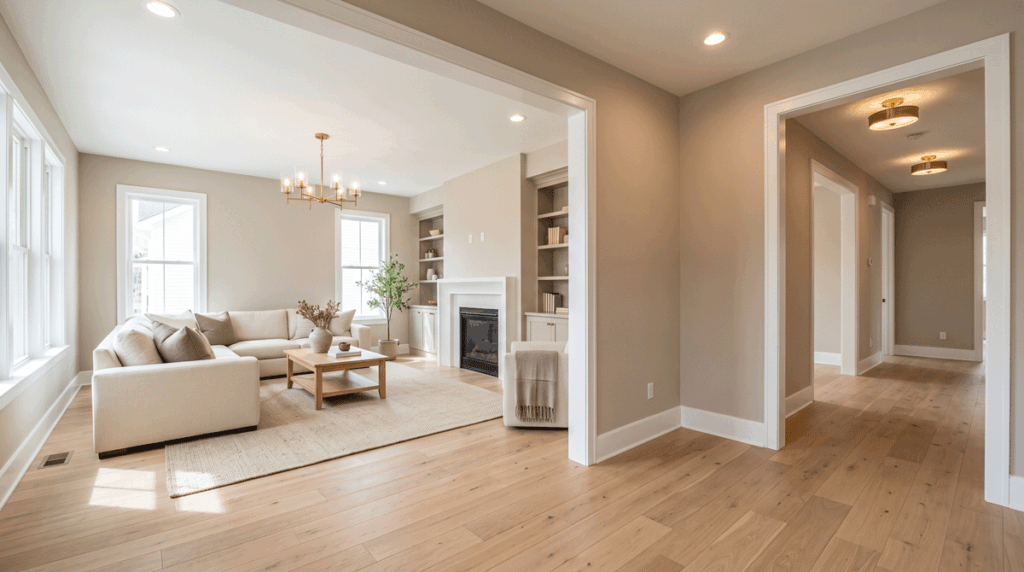
Resale does not require making every room beige. It means creating a consistent foundation that allows buyers to imagine their own furniture and style. Durable flooring, coordinated hardware, clean trim, balanced lighting, and timeless cabinet or tile choices can make a home feel cared for rather than trendy for one season. If flooring is on your list, our comparison of laminate, hardwood, and LVP weighs durability against appeal.
Consistency matters. When every room has a different flooring material, paint undertone, or fixture finish, the home can feel like a series of unrelated projects. A renovation plan should connect spaces visually.
Do Not Ignore Maintenance and Exterior Condition
Buyers pay attention to what looks expensive to repair. Damaged siding, worn flooring, moisture concerns, outdated fixtures, or unfinished repairs can overshadow decorative upgrades. Addressing condition and durability first can create more confidence in the property.
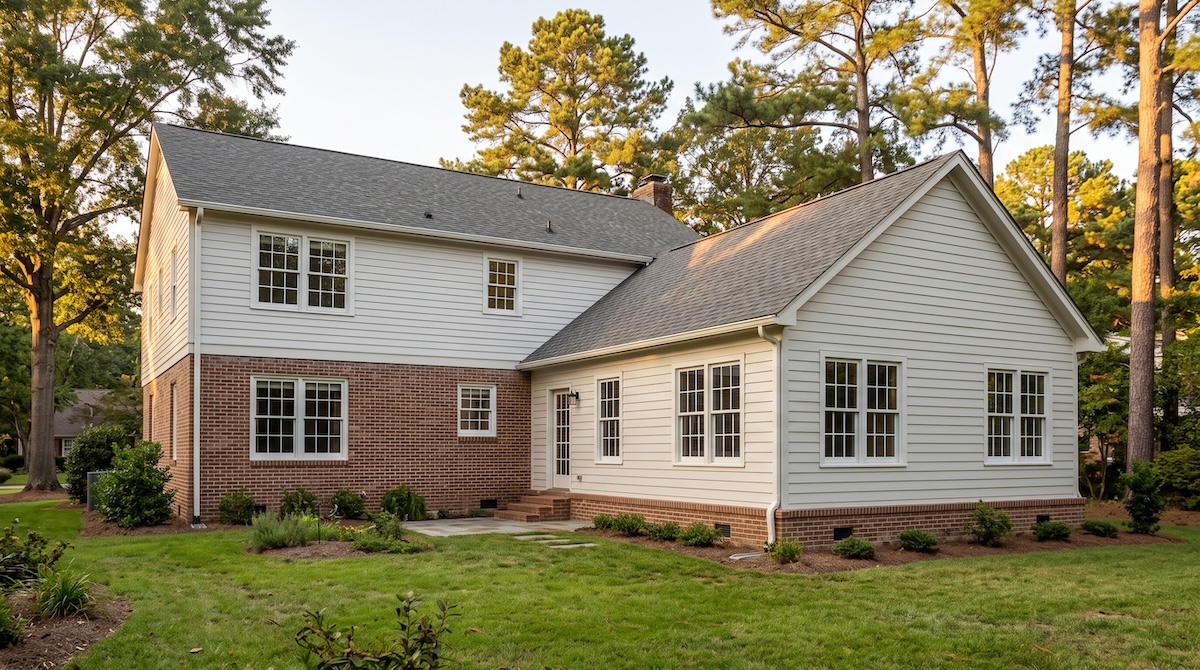
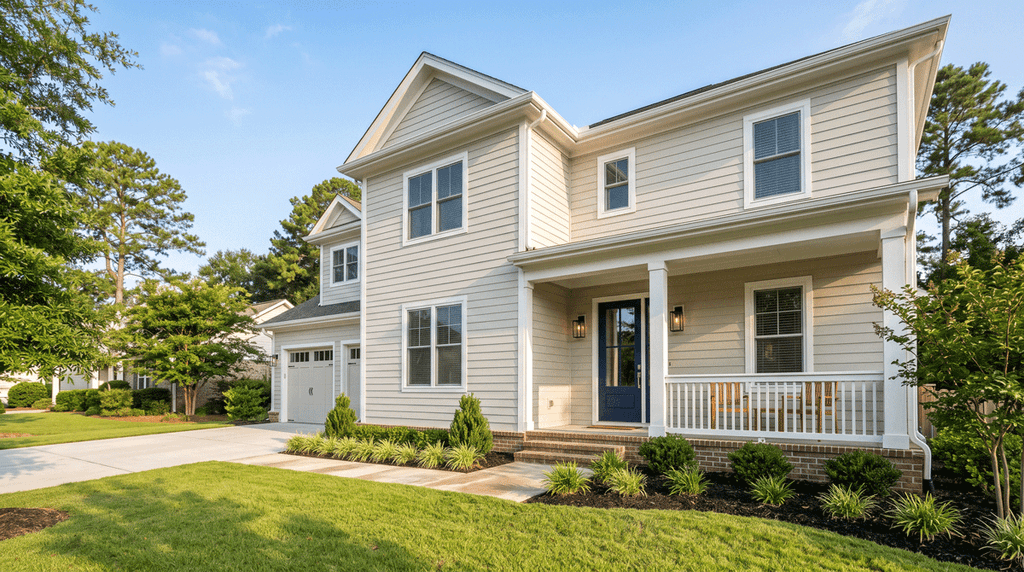
Exterior improvements also shape the first impression. Siding, entry details, lighting, and outdoor living areas should feel maintained and appropriate for the home. If a deck is part of the property, safety and structural condition matter as much as appearance.
Avoid Over-Personalizing Expensive Features
Custom details can be valuable, but resale-focused remodeling should be careful with unusual layouts, highly specific colors, or costly specialty features that reduce flexibility. A future buyer may love a statement tile but dislike losing pantry space to get it. Function should remain the anchor.
Think about whether an upgrade solves a common need, improves durability, reduces maintenance, or makes the home easier to understand during a showing. Those benefits translate across many buyer preferences.
Renovate for the Home You Own
The right scope depends on the property, neighborhood, condition, and likely buyer. A modest home does not need luxury finishes in every room, while a higher-end property may feel incomplete if key spaces are noticeably dated. Good planning aligns the renovation level with the home rather than chasing generic trends.
Your Dream Home Improvements serves Cumberland, Robeson, and Harnett counties with design-led remodeling. A resale-minded renovation can still reflect your style while focusing spending on improvements that make the home more functional, cohesive, durable, and appealing to the next owner. Contact our team to plan a resale-smart project.
Frequently Asked Questions
Which renovations add the most resale value?
Buyers respond most to the spaces they use and notice: kitchens, bathrooms, flooring, storage, and curb appeal, along with the overall condition of the home. Function and durability tend to add more lasting value than highly personalized or luxury finishes, so fixing awkward layouts and visible wear usually pays off more than trend-driven upgrades.
Should I remodel before selling my home?
It depends on the condition and your timeline, but correcting function and visible wear (damaged flooring, poor lighting, dated or hard-to-use bathrooms, moisture concerns) usually builds buyer confidence more than decorative upgrades. Match the renovation level to the home and neighborhood rather than over-improving for the market.
Should I choose neutral finishes for resale?
Aim for broadly appealing and consistent rather than strictly beige. A cohesive foundation of durable flooring, coordinated hardware, clean trim, and timeless cabinet or tile choices lets buyers picture their own style. The bigger mistake is inconsistency. Different flooring, undertones, and finishes in every room make a home feel like unrelated projects.
Can I still personalize a home I plan to sell?
Yes, but keep functioning as the anchor and be cautious with costly, highly specific features that reduce flexibility. A statement finish is fine when it doesn’t sacrifice practical space or broad appeal. Ask whether an upgrade solves a common need, improves durability, or reduces maintenance. Those benefits carry across many buyer preferences.

Related reading
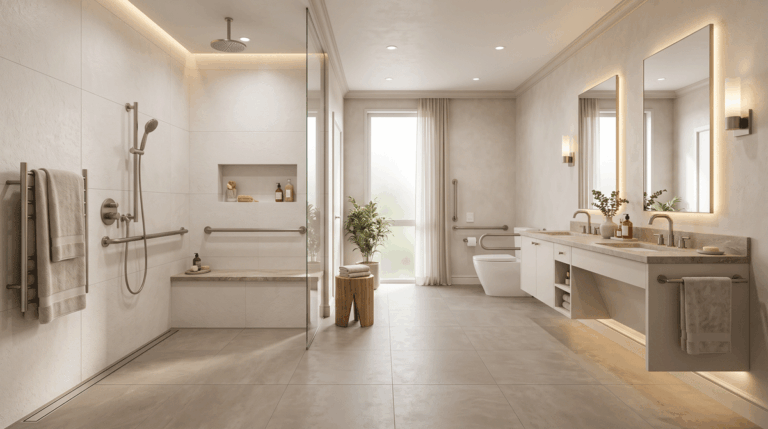
Aging in Place Remodeling: Designing a Home for Long-Term Comfort
Explore aging-in-place remodeling ideas for safer bathrooms, easier movement, better lighting, and long-term comfort in Fayetteville-area homes.
Read more →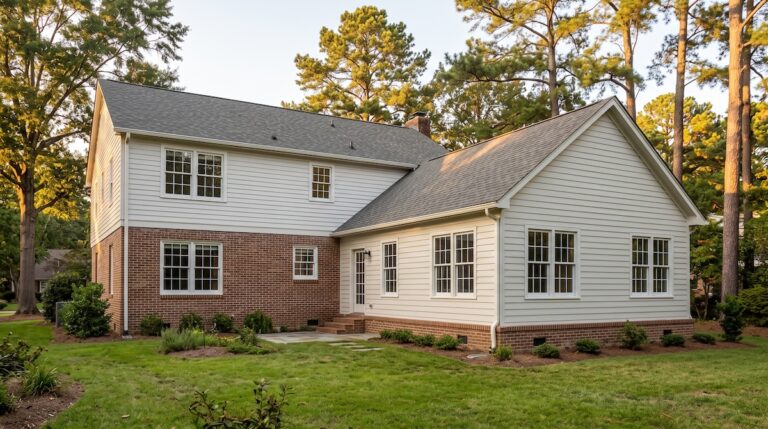
Home Additions in Fayetteville: What to Plan Before You Build
Planning a home addition in Fayetteville? Learn what to consider for layout, permits, utilities, budget, design, and a seamless connection to your…
Read more →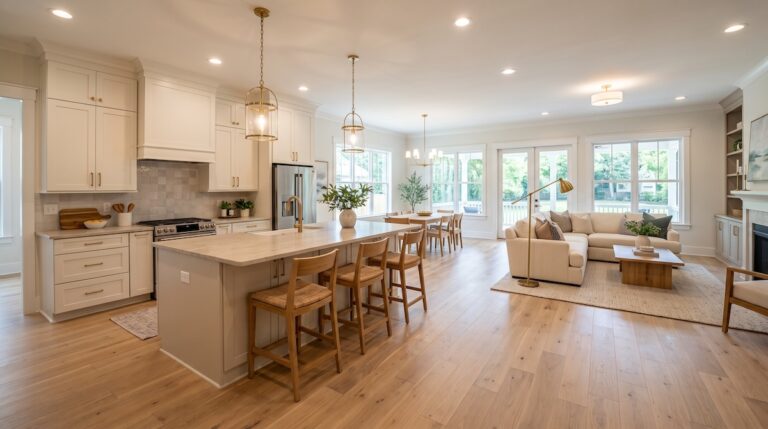
Open-Concept Renovations: How to Improve Flow Without Losing Function
Open-concept living can make a home feel brighter, larger, and more social, but removing walls is not automatically an upgrade. The best…
Read more →