

You're standing in your Hope Mills living room, staring at worn carpet or scratched floors, and you know it's time for an upgrade. But walk into any flooring showroom and you'll face a dizzying array of choices. Laminate that looks like wood but costs half as much. Hardwood that promises timeless elegance. Luxury vinyl plank that claims to handle anything North Carolina weather throws at it. Which one actually makes sense for your home, your lifestyle, and your budget?
After 13+ years installing flooring across Fayetteville, Hope Mills, and Cumberland County, we've seen which materials hold up to real life and which disappoint homeowners six months in. This guide breaks down laminate vs hardwood vs luxury vinyl plank with the kind of specificity you need to make a confident decision.
What Sets Laminate, Hardwood, and Luxury Vinyl Plank Apart
Each flooring type uses a fundamentally different construction method, and that construction dictates how it performs in your home.
Laminate Flooring Construction
Laminate starts with a high-density fiberboard core topped with a photographic image layer (usually mimicking wood grain) and sealed with a clear wear layer. The image gives you the look of hardwood or stone, while the wear layer protects against scratches and fading. Most laminate planks click together without glue or nails, floating over your existing subfloor.
Hardwood Flooring Construction
Hardwood is solid wood through and through, typically three-quarters of an inch thick. Each plank is milled from a single piece of oak, maple, hickory, or another species. It's nailed or glued to the subfloor and can be sanded and refinished multiple times over its lifespan. The wood grain, knots, and color variation are authentic because they're part of the tree itself.
Luxury Vinyl Plank (LVP) Construction
LVP layers a photographic vinyl film over a rigid or flexible core (usually WPC or SPC composition), topped with an urethane wear layer. The core determines how well the plank resists dents and moisture. Like laminate, most LVP installs as a floating floor with click-lock edges, though some products can be glued down.
The construction differences explain why each material behaves so differently under foot traffic, spills, and humidity.
Durability Under Real-World Foot Traffic
Your flooring needs to survive daily life in Hope Mills, from kids tracking in red clay to pets sprinting across rooms.
Scratch and Dent Resistance
Hardwood dents when you drop heavy cookware or drag furniture without pads. Softer species like pine show wear faster than oak or hickory. You'll see scratches accumulate over time, especially in high-traffic areas. The upside? You can sand and refinish hardwood multiple times, erasing decades of damage.
Laminate resists surface scratches better than hardwood thanks to its wear layer, but it cannot be refinished. Once the wear layer is compromised, the damage is permanent. Drop something heavy enough and you'll dent the fiberboard core, creating a permanent divot.
LVP offers the best impact resistance of the three. The rigid core absorbs dents that would damage laminate or hardwood. The urethane wear layer handles pet claws and daily scuffs without showing wear. You won't refinish it, but you also won't need to for 15 to 20 years in most homes.
Long-Term Performance in High-Traffic Zones
Kitchens, hallways, and entryways see the heaviest use. Hardwood develops a patina in these areas, the finish wearing down until you refinish. Laminate's wear layer thins but holds up reasonably well if you choose a product with an AC4 or AC5 rating (commercial-grade durability). LVP maintains its appearance longest without intervention, making it the lowest-maintenance option for busy families.
Moisture Resistance and North Carolina Humidity
North Carolina summers bring 70-plus percent humidity, and Hope Mills sees its share of rain. How your flooring handles moisture determines whether you'll deal with warping, cupping, or mold.
How Hardwood Reacts to Moisture
Hardwood is hygroscopic; it absorbs and releases moisture as humidity changes. When humidity spikes, planks swell. When winter heating dries the air, they contract. This creates gaps in winter and potential cupping in summer. Spills that sit for more than a few minutes can stain or warp the wood. Install hardwood in climate-controlled rooms only. Never put it in bathrooms, laundry rooms, or basements.
Laminate's Fiberboard Core Weakness
Laminate's core is compressed wood fiber. It handles humidity better than solid hardwood but still swells when water seeps between planks or soaks through damaged seams. Once the core swells, it doesn't shrink back, leaving you with buckled planks. Clean spills immediately and avoid laminate in any room with regular water exposure.
Why LVP Dominates in Wet-Prone Areas
Luxury vinyl plank is 100 percent waterproof (if you choose a true WPC or SPC product, not vinyl composite tile). You can install it in bathrooms, laundry rooms, mudrooms, and basements without worry. Spills sit on the surface until you wipe them up. Humidity won't cause expansion or contraction. For Fayetteville-area homes where moisture is a constant consideration, LVP solves the problem hardwood and laminate can't.
Refinishing Potential and Lifespan
How long will your floor last, and can you restore it when it starts to show age?
Hardwood's Refinishing Advantage
Solid hardwood can be sanded and refinished five to seven times over its life, depending on thickness. Each refinishing removes about one-sixteenth of an inch of wood, erasing scratches, dents, and finish wear. A well-maintained hardwood floor can last 50 to 100 years. That long lifespan offsets the higher upfront investment when you calculate cost per year of use.
Laminate and LVP Are Replace-Only
Both laminate and LVP are wear-and-replace products. Once the top layer is damaged, you pull up the floor and install new material. Laminate typically lasts 15 to 25 years. LVP lasts 15 to 20 years, sometimes longer in low-traffic areas. Neither can be refinished, so factor replacement cost into your long-term budget.
Visual Warmth and Resale Perception
Appearance matters, both for your daily enjoyment and for future buyers if you sell your Hope Mills home.
Hardwood's Timeless Appeal
Real hardwood carries a warmth and depth that buyers recognize immediately. The grain variation, knots, and natural color shifts give each plank character. Hardwood appeals to buyers willing to pay a premium, and it often increases perceived home value more than laminate or LVP. If you're planning to sell within five years and your market favors traditional finishes, hardwood can pay for itself in resale.
How Modern LVP Closes the Visual Gap
Ten years ago, vinyl flooring looked obviously fake. Today's luxury vinyl plank uses high-resolution imaging and embossed textures that mimic wood grain so closely that most people can't tell the difference from across the room. Up close, the repeating patterns and uniform texture give it away, but the gap has narrowed dramatically. Cambria and Daltile both manufacture LVP lines that fool casual observers.
Laminate's Middle Ground
Laminate falls between hardwood and LVP in visual realism. Better products use varied plank images to reduce pattern repetition, and embossing adds tactile texture. Cheaper laminate still looks plasticky and feels hollow underfoot. If you choose laminate, invest in a thicker product (10mm or more) with a quality wear layer.
Underfoot Comfort and Acoustic Performance
How a floor feels and sounds affects your daily comfort more than most homeowners expect.
Hardwood's Solid Feel
Nailed-down hardwood feels firm and stable. It transmits sound, so footsteps echo in rooms without area rugs. Some homeowners love the classic sound of heels on hardwood; others find it noisy. The solid construction makes it less forgiving on joints and feet during long cooking or standing sessions.
The Hollow Sound of Floating Floors
Both laminate and LVP install as floating floors, and both can sound hollow if you skip quality underlayment. Add a dense foam or cork underlayment and the difference is dramatic, footsteps quiet down and the floor feels more substantial. LVP with an attached pad offers better acoustic performance than most laminate.
Temperature Underfoot
Hardwood feels warmer than LVP or laminate in winter because wood is a better insulator. LVP and laminate both feel cool to bare feet unless you install radiant heating underneath (which all three materials can accommodate with the right installation method).
Pet-Friendliness: Which Flooring Survives Dogs and Cats
If you have pets, scratch resistance and accident cleanup become top priorities.
Hardwood and Pet Challenges
Dog claws scratch hardwood, especially softer species. Urine that sits for even a few minutes can stain or darken the wood permanently. Large dogs running through the house leave visible wear patterns in hallways within a year or two. You'll refinish more frequently if you have active pets.
Laminate's Middle Performance
Laminate handles claws better than hardwood but still shows scratches over time. Accidents are easier to clean than on hardwood, but if urine seeps into seams, the fiberboard core can swell and smell. Trim your pets' nails regularly and clean accidents immediately.
Why LVP Wins for Pet Owners
LVP's urethane wear layer resists scratches from claws. The waterproof core means accidents won't cause permanent damage or odor. Cleanup is as simple as wiping with a damp cloth. We've installed flooring installation in dozens of Hope Mills homes with multiple large dogs, and LVP consistently earns the best feedback from pet owners.
Installation Complexity and Timeline
Your choice affects how long you'll live with construction dust and how much labor adds to your total investment.
Hardwood Installation Requirements
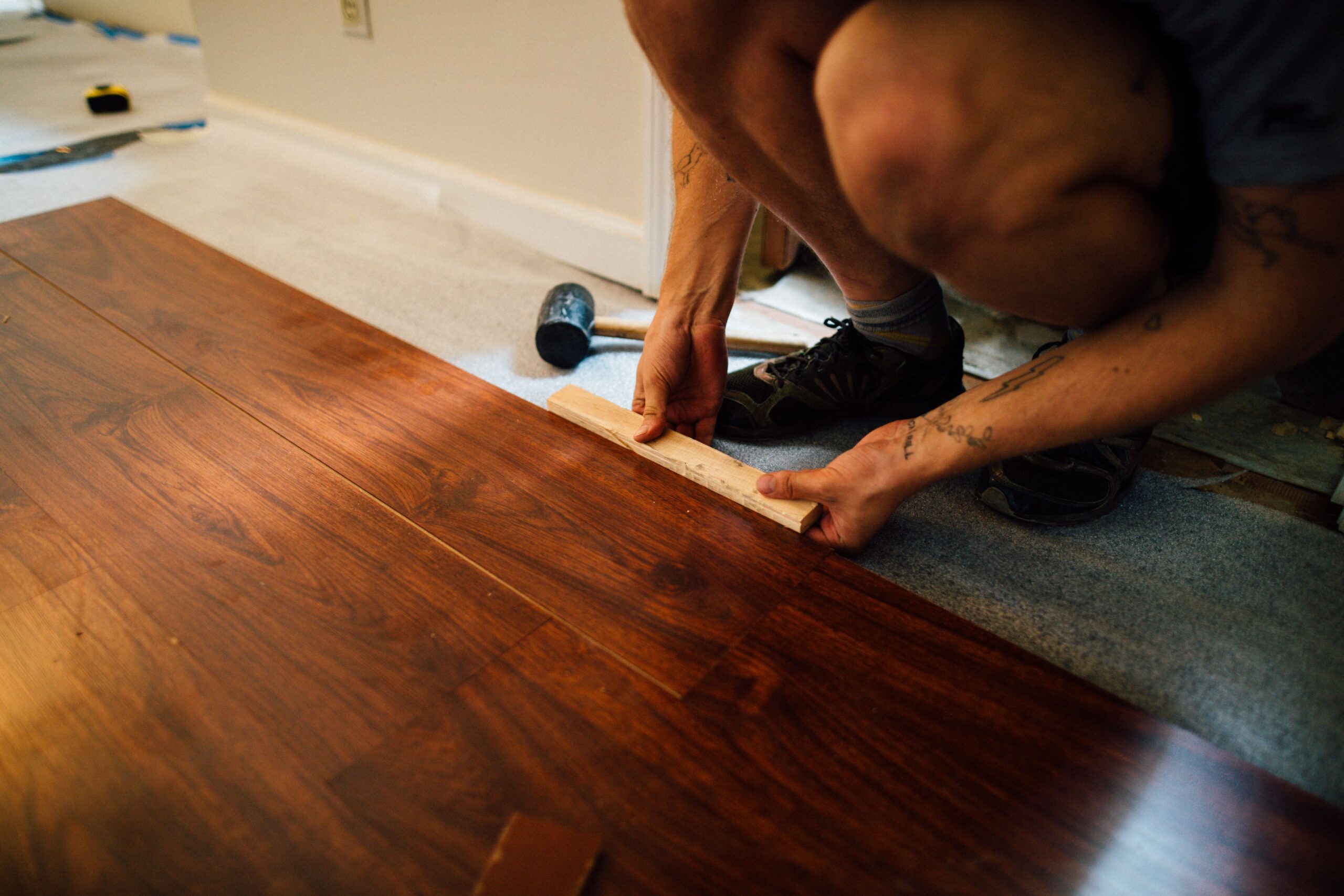
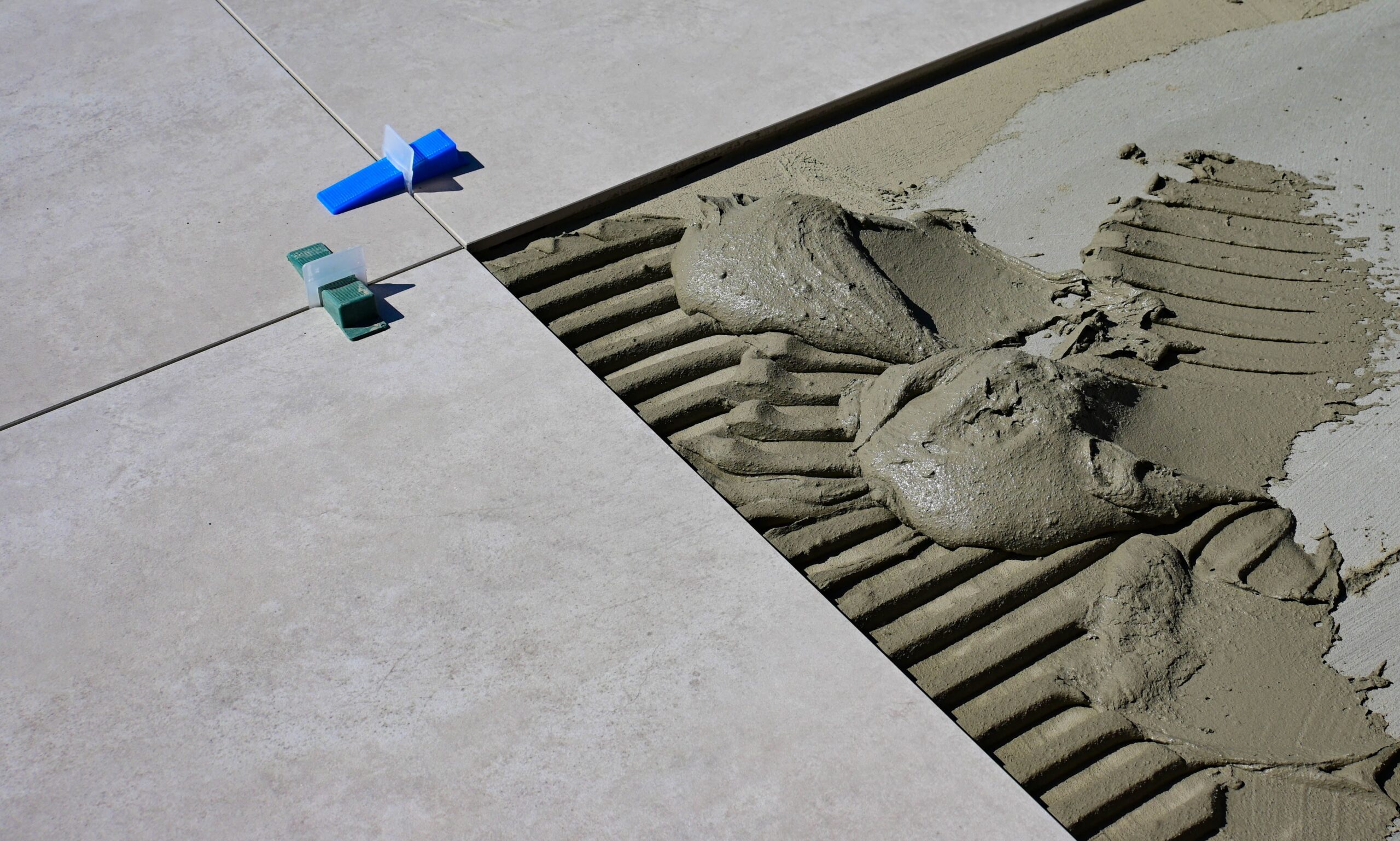
Hardwood requires subfloor prep, acclimation (letting planks adjust to your home's humidity for several days), precise nailing or gluing, sanding, staining, and finishing. The process takes longer than laminate or LVP, and you'll need to stay off the floor for days while finishes cure. Installation skill matters, a poor job shows in gaps, uneven boards, and finish flaws.
Floating Floor Speed
Laminate and LVP both install faster because they float over existing subfloors without nails or glue (in most cases). Click-lock edges snap together, and you can walk on the floor immediately. Installation timelines run half as long as hardwood, often wrapping up in two to three days for an average home. That shorter timeline means less disruption to your daily routine.
Long-Term Cost of Ownership (Without Specific Numbers)
Upfront material and installation costs tell only part of the story. Maintenance, refinishing, and replacement factor into true lifetime cost.
Hardwood's Higher Entry, Lower Lifecycle Cost
Hardwood demands a larger upfront investment for material and skilled installation. However, the ability to refinish means you avoid full replacement for decades. Factor in refinishing every 10 to 15 years, and hardwood's cost per year of use drops significantly, especially if you stay in your home long-term.
Laminate's Budget-Friendly Start
Laminate offers the lowest upfront cost of the three, making it attractive for homeowners with tighter budgets or rental properties. The tradeoff is a shorter lifespan and no refinishing option. When it wears out, you replace it entirely. Over 30 years, you may install laminate twice while hardwood gets refinished once.
LVP's Balanced Value Proposition
LVP sits in the middle on upfront cost, typically slightly more than laminate but less than hardwood. Maintenance costs are the lowest, no refinishing, no special cleaners, minimal care. Replacement happens around the same timeline as laminate, but the superior durability and waterproof performance often justify the modest premium.
For a detailed cost breakdown specific to your project scope and material selections, contact our team for a consultation with samples and 3D room visualization.
Which Flooring Makes Sense for Your Hope Mills Home
Your final choice depends on where you're installing, how you live, and how long you plan to stay.
Choose Hardwood If:
- You're installing in climate-controlled living areas, dining rooms, or bedrooms
- You value authentic wood character and warmth
- You plan to stay in your home 10-plus years and want to refinish rather than replace
- Resale value and traditional appeal matter for your neighborhood
- You're willing to manage humidity levels and clean spills immediately
Choose Laminate If:
- Budget constraints make hardwood or LVP unrealistic
- You're installing in low-moisture areas like bedrooms or living rooms
- You want the look of wood without the maintenance of hardwood
- You're okay replacing the floor in 15 to 20 years
- You need faster installation with less disruption
Choose LVP If:
- You're installing in bathrooms, kitchens, laundry rooms, or basements
- You have pets or young children
- North Carolina humidity and moisture are concerns
- You want low-maintenance flooring that handles spills and scratches
- You prioritize durability and waterproof performance over refinishing potential
Many Hope Mills homeowners mix materials, hardwood in formal living areas, LVP in kitchens and bathrooms, creating the best performance in each space without compromise.
Frequently Asked Questions
Can you install any of these floors over existing tile or vinyl?
Yes, with proper prep. LVP and laminate can float over existing hard surfaces if they're level and in good condition. Hardwood requires removal of old flooring and a clean subfloor for nailing or gluing. We assess your existing floor during the consultation and recommend the best approach for your situation.
How do you maintain each flooring type?
Hardwood needs regular sweeping and occasional refinishing. Use cleaners designed for wood floors and avoid excess water. Laminate requires dry or damp mopping, never wet. Avoid steam cleaners, which force moisture into seams. LVP is the easiest, sweep and mop with any vinyl-safe cleaner. All three benefit from entry mats to reduce tracked-in dirt and grit.
Will these floors work with radiant heating?
Yes, but verify compatibility. LVP and laminate are both radiant-compatible if you follow manufacturer guidelines for temperature limits. Hardwood can work with radiant heat but requires careful humidity control to prevent gaps and cupping. Engineered hardwood (thin hardwood veneer over plywood) handles radiant heat better than solid hardwood.
How long does flooring installation take for an average Hope Mills home?
Timelines vary by material and square footage. Hardwood installation and finishing typically take one to two weeks for a whole-home project. Laminate and LVP install faster, often completing in three to five days. According to flooring installation standards, proper acclimation and subfloor prep add time but prevent callbacks for buckling or gaps. We'll give you a specific timeline during your design consultation.
Make Your Flooring Decision with Confidence
Laminate, hardwood, and luxury vinyl plank each solve different problems for Hope Mills homeowners. Hardwood offers timeless beauty and refinishing potential. Laminate delivers wood looks on a budget. LVP combines durability, waterproof performance, and low maintenance in one package.
You don't have to guess which material fits your lifestyle, traffic patterns, and budget. Your Dream Home Improvements brings 13-plus years of experience across Fayetteville, Hope Mills, and Cumberland County. We'll show you material samples in your actual space, explain how each performs in North Carolina's climate, and create 3D renderings so you see exactly how your new floor will look before installation starts.
Book a flooring consultation with material samples and 3D room visualization today. Call 910-261-6350 or contact us online to schedule your appointment.
Related reading
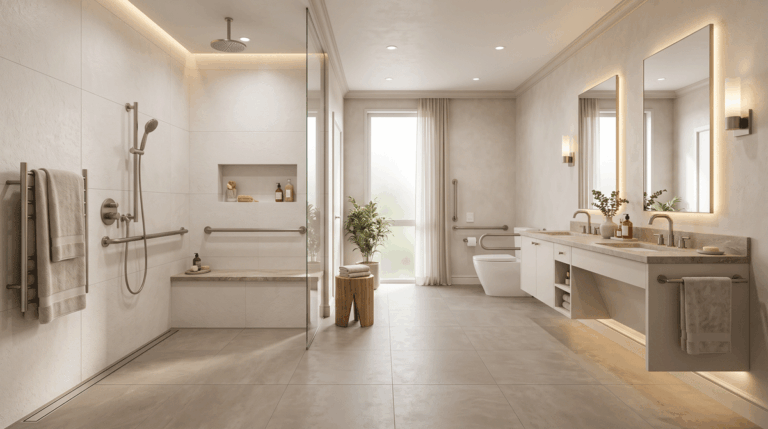
Aging in Place Remodeling: Designing a Home for Long-Term Comfort
Explore aging-in-place remodeling ideas for safer bathrooms, easier movement, better lighting, and long-term comfort in Fayetteville-area homes.
Read more →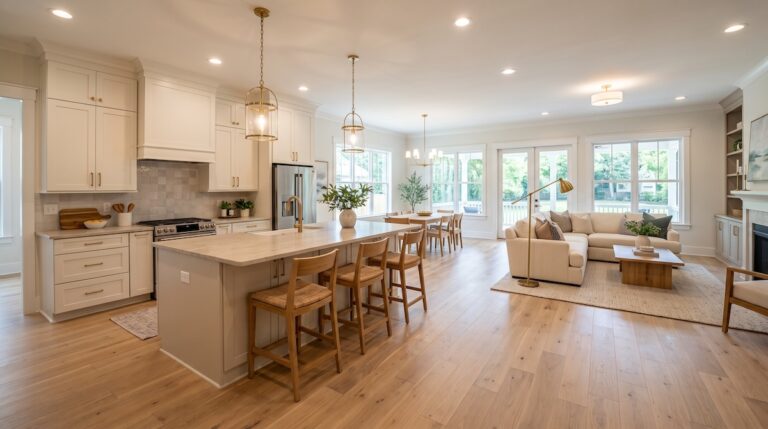
Open-Concept Renovations: How to Improve Flow Without Losing Function
Open-concept living can make a home feel brighter, larger, and more social, but removing walls is not automatically an upgrade. The best…
Read more →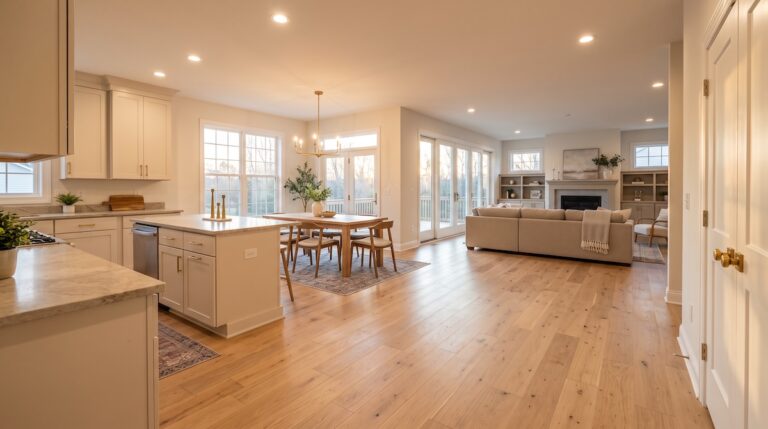
Whole-Home Renovation Planning: Where Fayetteville Homeowners Should Start
Plan a whole-home renovation in Fayetteville, NC with practical guidance on scope, design, budget, sequencing, and contractor coordination.
Read more →